Climate Change Awareness: Rising Impacts on Oceans and Marine Life
Introduction: Climate Change Awareness Starts Beneath the Waves
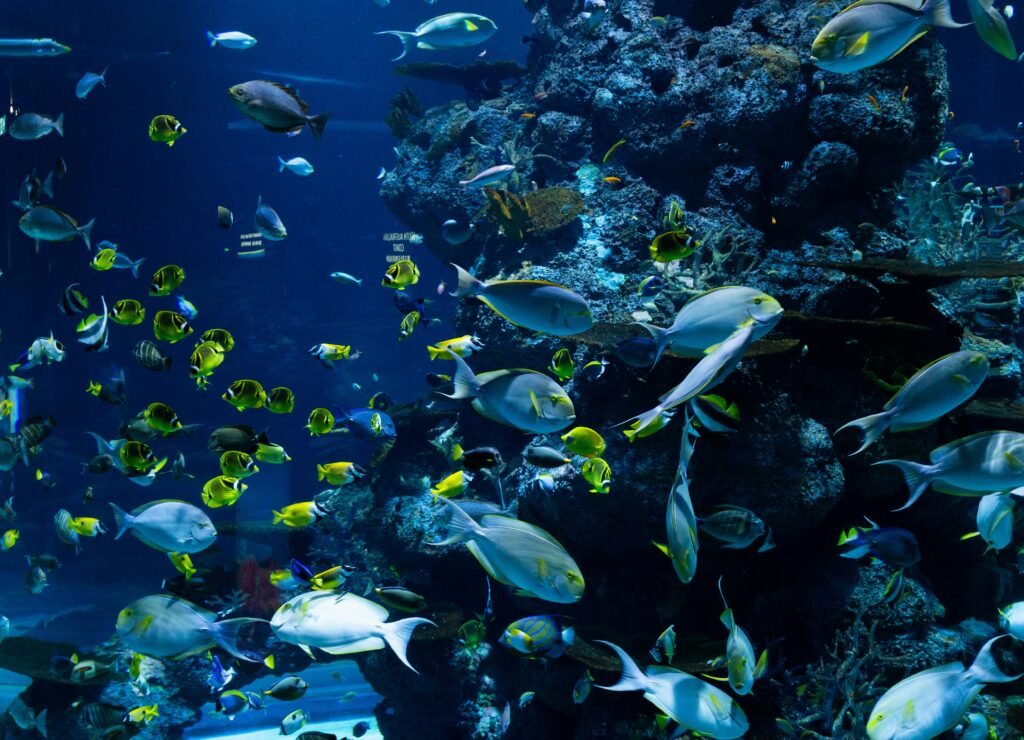
Climate change awareness is growing across the globe, but one of the most critical yet overlooked areas is the ocean. While melting glaciers and rising temperatures dominate headlines, the silent transformation happening underwater is just as alarming. Our oceans absorb over 90% of excess heat caused by global warming, directly affecting marine ecosystems and biodiversity marine life.
From coral bleaching to sea-level rise, the impacts of climate change are no longer distant threats—they are happening now. Coastal communities are witnessing stronger storms. Fisheries are struggling with declining fish populations. Entire ecosystems are shifting. Raising climate change awareness is not just about protecting the atmosphere; it is about safeguarding biodiversity marine ecosystems, food security, and global climate balance.
This article explores the rising awareness of climate impacts, especially on marine environments, and why immediate conservation action is essential.
Understanding Climate Change and Its Ocean Connection
Climate change refers to long-term shifts in temperature and weather patterns, largely driven by human activities such as burning fossil fuels and deforestation. However, what many people do not realize is that the ocean acts as Earth’s climate regulator.
How Oceans Absorb Climate Stress
- Oceans absorb excess carbon dioxide (CO₂).
- They capture and store heat.
- They regulate global weather systems.
- They support biodiversity marine habitats essential for ecological balance.
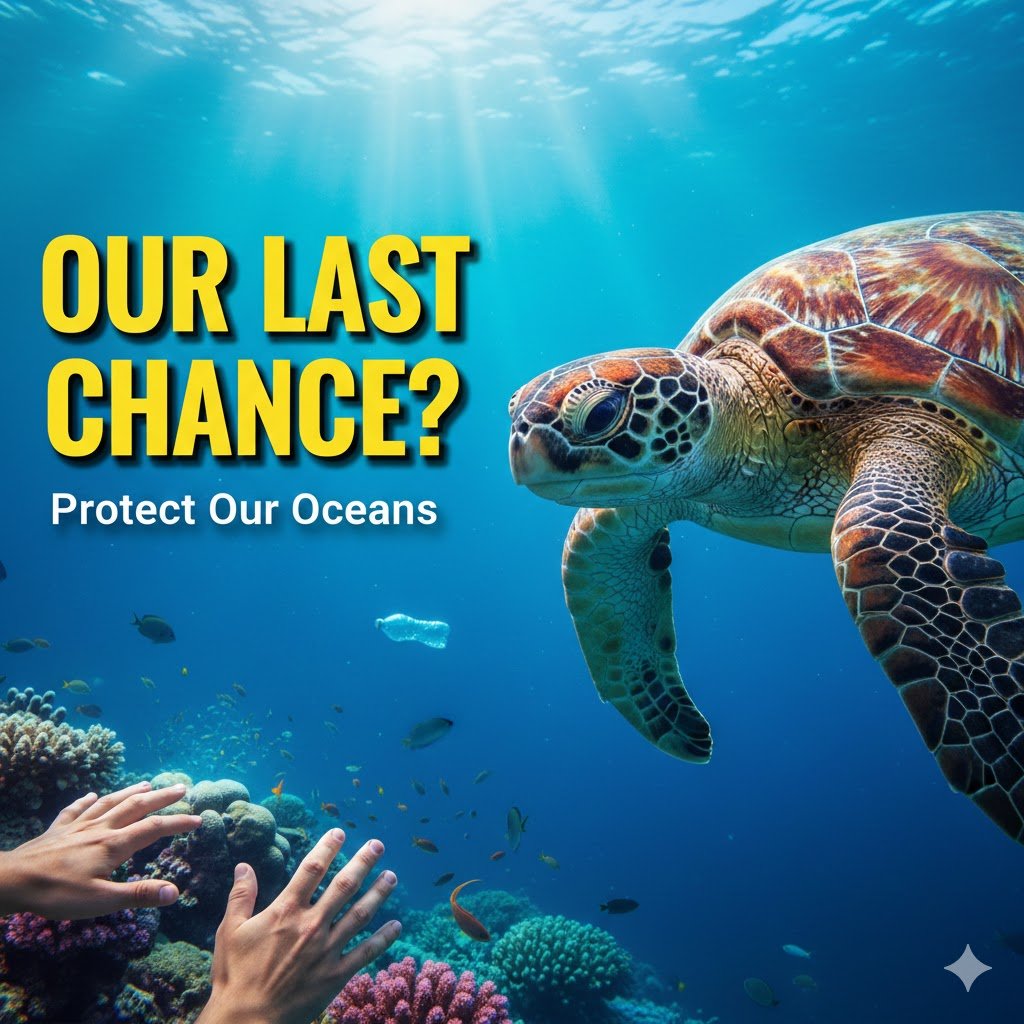
But this protective role comes at a cost. The ocean is warming, acidifying, and losing oxygen. These changes threaten marine biodiversity and disrupt delicate underwater ecosystems.
Rising Impacts of Climate Change on Marine Ecosystems
1. Coral Bleaching: The Visible Warning Sign
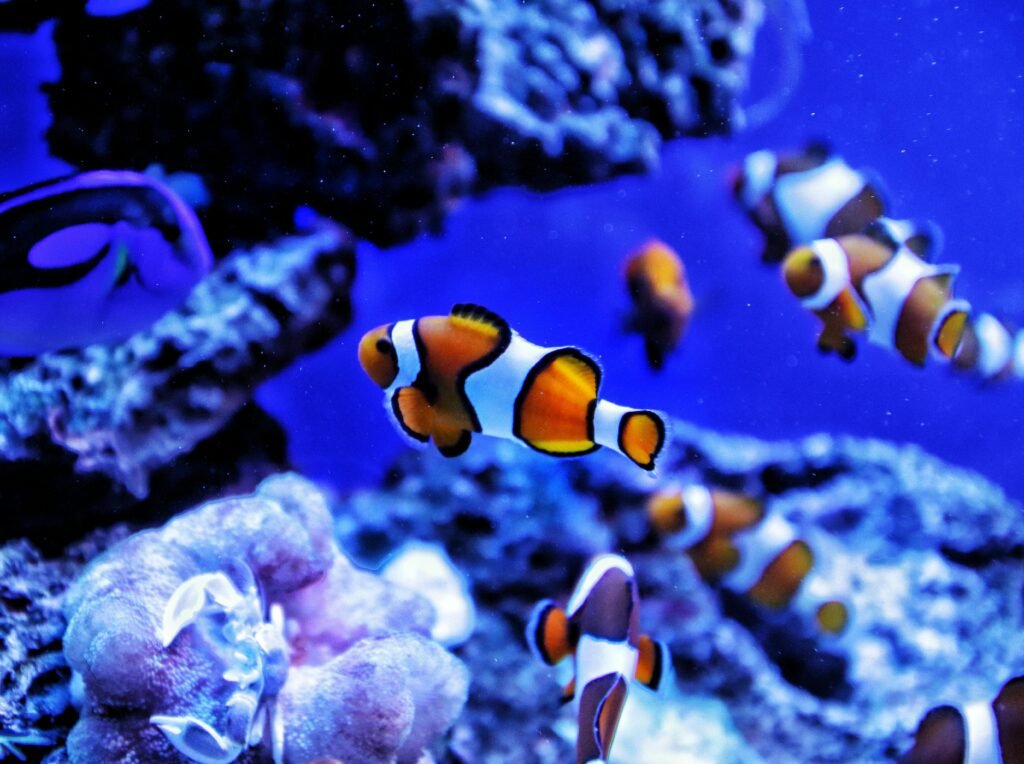
Coral reefs are often called the “rainforests of the sea.” They support nearly 25% of marine species. However, rising sea temperatures cause coral bleaching, a process where corals expel the algae that give them color and nutrients.
Real-world example:
The Great Barrier Reef has experienced repeated mass bleaching events over the past decade. Entire sections of reef have suffered severe damage.
When coral reefs decline, biodiversity marine systems collapse, affecting fish populations and coastal protection.
2. Ocean Acidification and Shellfish Survival
As oceans absorb more CO₂, seawater becomes more acidic. This process weakens shells of organisms like oysters, clams, and plankton.
Why this matters:
- Shellfish are vital to marine food chains.
- Many communities depend on shellfish industries.
- Acidification threatens global seafood supply.
Ocean acidification directly reduces biodiversity marine stability, making ecosystems fragile.
3. Rising Sea Levels and Coastal Communities
Melting polar ice and thermal expansion are causing sea levels to rise. This affects:
- Low-lying island nations
- Coastal cities
- Mangrove forests
- Wetlands that support marine biodiversity
Mangroves serve as nurseries for fish and act as natural storm barriers. Losing them means losing both human protection and biodiversity marine resilience.
Why Climate Change Awareness is Increasing
Public understanding of climate change has grown significantly due to:
- Scientific research and oceanographic studies
- Youth climate movements
- Social media campaigns
- Visible environmental disasters
More people now recognize that climate change impacts are not future problems—they are present realities.
Key Drivers of Awareness
- Stronger hurricanes and cyclones
- Record-breaking heatwaves
- Melting Arctic ice
- Plastic pollution combined with warming seas
As awareness rises, so does concern for protecting biodiversity marine ecosystems that sustain life.
The Role of Biodiversity Marine in Climate Balance
Healthy oceans play a major role in fighting climate change. Protecting biodiversity marine environments strengthens nature’s ability to regulate climate.
Blue Carbon Ecosystems
Blue carbon refers to carbon stored in:
- Mangroves
- Seagrass meadows
- Salt marshes
These ecosystems capture carbon faster than tropical forests. Protecting them reduces greenhouse gases and preserves marine biodiversity.
When we conserve biodiversity marine habitats, we invest in climate solutions.
Economic and Social Impacts of Ocean Climate Change
Climate change is not just an environmental issue—it is an economic and social challenge.
Fisheries at Risk
Millions depend on fisheries for income. Warmer waters shift fish migration patterns, making traditional fishing areas less productive.
Tourism Decline
Coral reef degradation affects tourism industries. Coastal economies suffer when marine ecosystems collapse.
Food Security Threats
With declining fish populations, food security becomes unstable, especially in developing nations.
The health of biodiversity marine ecosystems directly influences global stability.
Scientific Evidence: What Research Shows
Oceanographic data confirms:
- Sea surface temperatures are rising.
- Ocean oxygen levels are decreasing.
- Coral bleaching events are increasing in frequency.
- Marine species are migrating toward cooler waters.
Scientific reports emphasize that protecting biodiversity marine systems increases ecosystem adaptability and resilience.
Conservation Strategies to Combat Climate Impacts
Climate change awareness must translate into action.
1. Expanding Marine Protected Areas (MPAs)
Protecting 30% of the ocean by 2030 is a global target. MPAs allow ecosystems to recover and strengthen.
2. Sustainable Fishing Practices
Limiting overfishing maintains balanced food webs and supports biodiversity.
3. Reducing Carbon Emissions
Switching to renewable energy reduces ocean warming and acidification.
4. Restoring Mangroves and Seagrass
Habitat restoration increases carbon storage and supports marine life.
5. Community-Based Ocean Stewardship
Local communities play a vital role in conservation success.
Each of these actions supports the survival of biodiversity marine life and strengthens climate resilience.
Individual Actions Matter
Climate change awareness starts with education but must continue with action.
You can:
- Reduce plastic use
- Support sustainable seafood
- Reduce your carbon footprint
- Participate in beach cleanups
- Advocate for ocean protection policies
Small actions, when multiplied globally, create measurable impact.
The Urgent Need for Ocean-Focused Climate Policies
Governments and global institutions must prioritize marine protection in climate negotiations.
Key policy needs:
- Stronger emission reduction commitments
- Investment in marine research
- Enforcement against illegal fishing
- Funding for coastal adaptation programs
Without policy support, biodiversity marine ecosystems will continue to decline.
Conclusion: Climate Change Awareness Must Include the Ocean
Climate change awareness is expanding, but true understanding requires recognizing the ocean’s central role. Oceans regulate climate, feed billions, and support unmatched biodiversity. Yet they are under unprecedented stress.
Protecting biodiversity marine ecosystems is not optional—it is essential. When we defend coral reefs, restore mangroves, and reduce emissions, we defend our own future.
The rising impacts of climate change demand urgent, united action.
Strong Summary
Climate change is transforming our oceans at an alarming rate. Rising temperatures, ocean acidification, sea-level rise, and ecosystem disruption threaten global stability. The survival of biodiversity marine life determines food security, economic resilience, and climate regulation.
Healthy marine ecosystems absorb carbon, protect coastlines, and sustain communities. But without awareness and conservation, these systems may collapse.
The science is clear. The impacts are visible. The responsibility is shared.
Call to Action: Protect Our Oceans Today
🌊 Support marine conservation initiatives.
🌊 Advocate for climate policies that protect oceans.
🌊 Reduce personal carbon emissions.
🌊 Educate others about marine climate impacts.
🌊 Choose sustainable products and seafood.
Every action counts. The future of biodiversity marine ecosystems depends on what we do today.
Together, we can raise climate change awareness and protect the oceans that sustain life on Earth.