Powerful Ocean Science Education for a Brighter Future
Introduction: Why Ocean Science Education Matters
The ocean covers more than 70% of our planet. It gives us oxygen, food, and climate balance. Yet many people do not fully understand how it works. That is why ocean science education is so important today.
When people understand the ocean, they care about it more. When they care more, they protect it. Simple and clear ocean science education helps children, students, and communities learn how the ocean supports life.
In this article, you will learn what ocean science education means, why it matters, and how easy ocean education can create positive change.

What Is Ocean Science Education?
Ocean science education means teaching people how the ocean works in simple and practical ways.
It includes learning about:
https://www.youtube.com/channel/UCeUO6OOuzYP5Za5qO9hiWNQ
- Marine animals
- Coral reefs
- Ocean currents
- Climate change
- Pollution
- Sustainable fishing
Good ocean science education does not use difficult words. It explains big ideas in easy language so everyone can understand.
Why Ocean Education Is Important
1. It Builds Awareness
When students learn about ocean systems, they understand how their daily actions affect marine life.
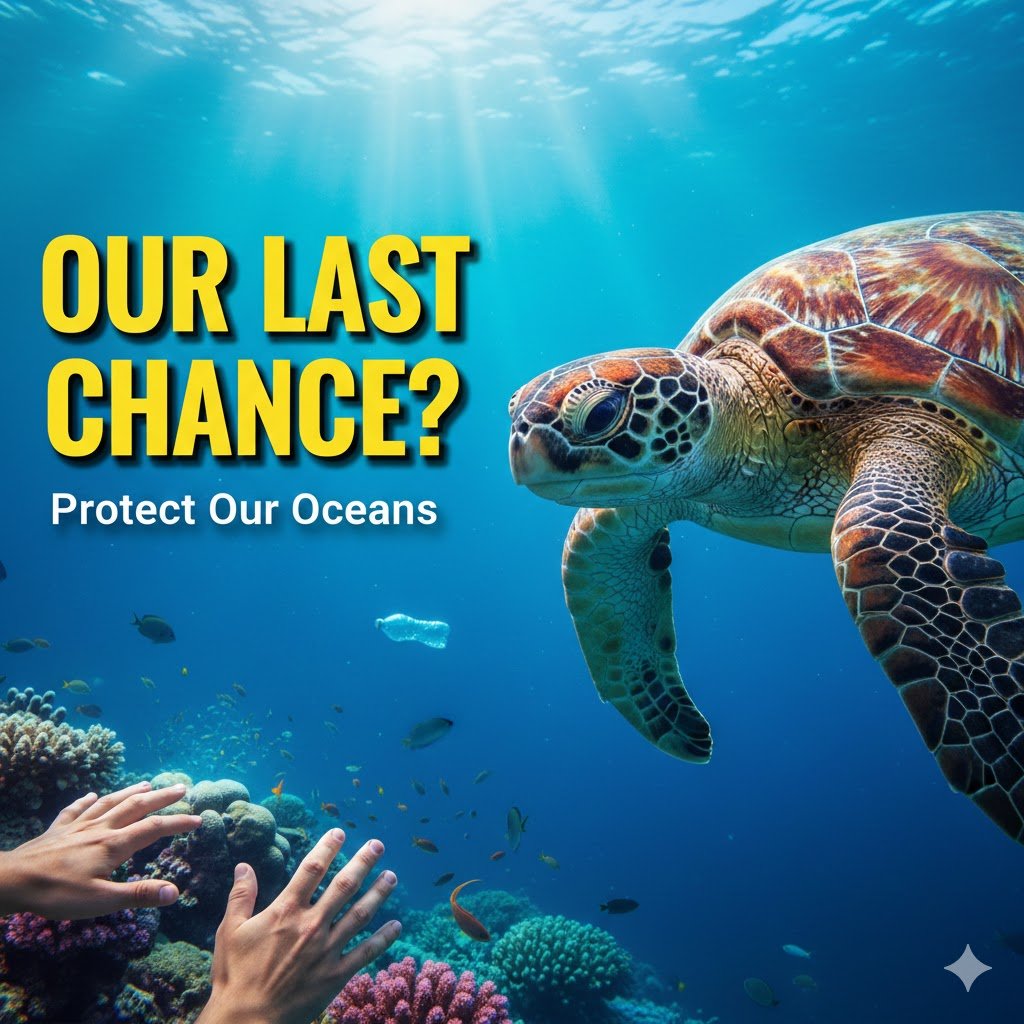
Ocean science education shows how plastic waste harms sea turtles and how warming waters damage coral reefs.
2. It Protects Marine Life
Knowledge leads to action. Communities with strong ocean science education programs often reduce pollution and support conservation.
3. It Supports Climate Understanding
The ocean absorbs heat and carbon dioxide. Without it, global warming would be worse. Teaching this through ocean science education helps people understand climate change better.
Easy Ways to Teach Ocean Science
Learning about the ocean does not have to be difficult.
Here are simple methods used in ocean science education:
- Visual charts and maps
- Short educational videos
- Field trips to beaches
- Hands-on experiments
- Storytelling about marine life
When lessons are interactive, students stay eng
Real-World Example of Ocean Learning Success
In many coastal schools, ocean science education is part of the curriculum.
For example:
- Students in Australia learn about coral reef protection.
- Schools in Norway teach sustainable fishing.
- Island communities include ocean conservation in daily lessons.
These programs show that simple ocean science education creates long-term environmental responsibility.
The Role of Technology in Ocean Education
Technology makes ocean science education easier than ever.
Students can now:
- Watch live underwater cameras
- Explore virtual coral reefs
- Use apps to identify marine species
- Access online marine courses
Digital tools help spread ocean science education to people far from the coas
Ocean Science Education and Conservation
Conservation starts with knowledge.
Strong ocean science education teaches people how to:
- Reduce plastic use
- Support marine protected areas
- Choose sustainable seafood
- Save energy
When people understand ocean systems, they make smarter choices.
How Parents and Teachers Can Help
Parents and teachers play a big role in ocean science education.
Simple steps include:
- Reading ocean books
- Watching marine documentaries
- Organizing beach cleanups
- Encouraging science projects
These activities make ocean science education fun and meaningful.
Ocean Literacy for All Ages
Ocean science education is not only for children.
Adults benefit too.
Workshops, online courses, and community programs improve public knowledge. When more people understand marine ecosystems, society becomes more responsible.
Lifelong ocean science education builds a culture of conservation.
Challenges in Ocean Education
Despite its importance, ocean science education faces challenges:
- Limited funding
- Lack of trained teachers
- Low awareness in inland regions
- Limited access to marine resources
Improving access to ocean science education is necessary for global impact.
Simple Ocean-Friendly Habits Students Can Learn
Through ocean science education, students learn practical habits:
- Use reusable bottles
- Avoid single-use plastic
- Save water
- Respect marine wildlife
- Support clean energy
These small steps create lasting change.
The Economic Value of Ocean Knowledge
The ocean supports fishing, tourism, and shipping industries.
When communities invest in ocean science education, they protect jobs and future income.
Healthy oceans support stable economies.
Education protects both nature and livelihoods.
Building a Brighter Future Through Education
A powerful future depends on informed citizens.
Strong ocean science education builds leaders who value marine conservation.
It creates scientists, environmental activists, and responsible consumers.
Most importantly, it builds hope.
Strong Summary
The ocean is essential for life on Earth. Yet many people do not understand how it works. Clear and simple ocean science education bridges this gap.
When education is easy to understand, people take action. They reduce pollution, protect marine life, and support sustainable practices.
Knowledge creates responsibility. Responsibility creates protection.
A brighter future begins with strong ocean science education for everyone.
Call to Action: Start Learning, Start Protecting
🌊 Support ocean education programs.
🌊 Share marine knowledge with friends.
🌊 Encourage schools to teach ocean science.
🌊 Participate in beach cleanups.
🌊 Choose sustainable seafood.
Together, we can build a world where ocean science education leads to lasting marine protection.
The future of our ocean depends on what we learn today.
